



What Is Brand Activation? Complete Guide to Modern Marketing Strategy
- 5 min read
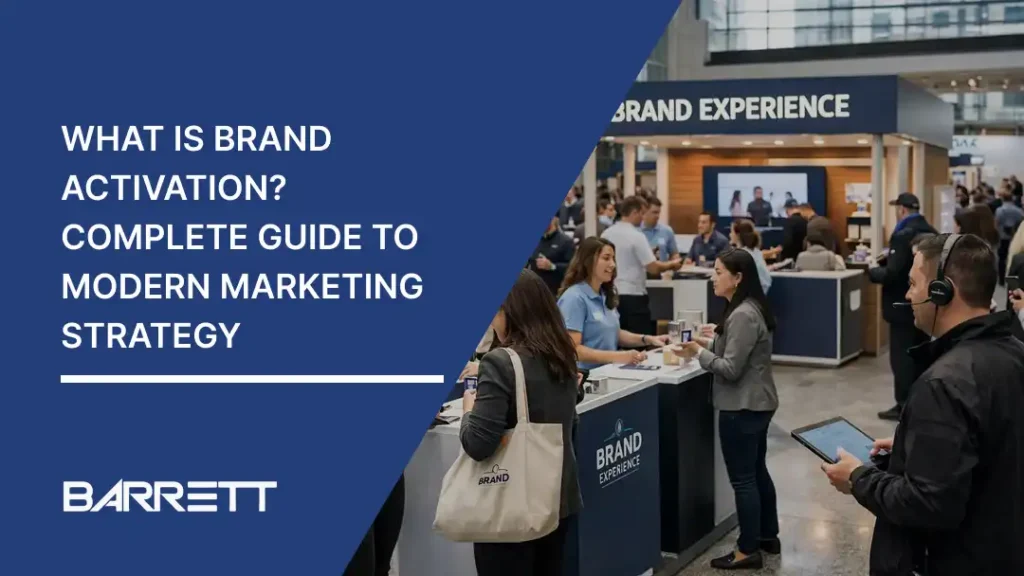
Consumers are exposed to thousands of marketing messages every day, making it increasingly difficult for brands to capture attention through traditional advertising alone. Today’s customers expect meaningful interactions rather than one-way promotional messages.
According to Salesforce’s State of the Connected Customer research, 88% of customers say the experience a company provides is as important as its products or services, highlighting the growing importance of creating valuable customer experiences.
Brand activation helps businesses meet this expectation by creating memorable experiences that encourage people to engage directly with a brand. Whether it’s a live event, an interactive campaign, a product demonstration, or an immersive digital experience, brand activation transforms passive audiences into active participants.
In this guide, we explore what brand activation is, how it works, the different types of activation strategies, and how businesses can measure their results.
What Is Brand Activation?
Brand activation is a marketing strategy that focuses on creating direct experiences between a brand and its customers. The goal is to encourage people to interact with a brand, understand its value, and create lasting impressions.
Unlike traditional advertising, brand activation focuses on turning passive observers into active participants. Customers do not simply see a message or advertisement; they take part to experience the product or service.
A brand activation campaign can include:
- Exhibition and trade show experiences
- Product demonstrations
- Live events
- Interactive digital campaigns
- Social media activities
- Product sampling experiences
- Customer engagement campaigns
The main purpose of brand activation marketing is to turn awareness into action. When customers have a positive experience with a brand, they are more likely to remember it, trust it, and choose it in the future.
Brand Activation vs Traditional Marketing
Traditional marketing usually focuses on delivering a message to a large audience through channels such as television, print advertising, radio, or online ads. While, brand activation is an experience-focused approach. It encourages customers to actively engage with a brand.
Here are some key differences:
|
Traditional Marketing |
Brand Activation |
|
Focuses on communication |
Focuses on interaction |
|
Customers receive a message |
Customers participate in an experience |
|
Often one-way communication |
Creates two-way engagement |
|
Measures reach and impressions |
Measures engagement and customer response |
Importance of Brand Activation for Businesses
A strong activation strategy helps businesses create memorable customer experiences. It connects marketing activities with real customer emotions and behaviours.
1. Builds Emotional Connections
People are more likely to remember meaningful experiences than advertisements. Brand activation allows businesses to engage with customers on a personal level by encouraging direct participation and creating memorable interactions with the brand.
Whether it is an interactive product launch at an exhibition or a hands-on product trial, these experiences create positive brand associations, which can influence customers purchasing decisions.
2. Improves Brand Awareness
One of the key advantages of brand activation is increasing brand awareness beyond traditional advertisement. Interactive campaigns encourage people to share their experiences on social media, generating valuable word-of-mouth marketing.
A well-planned campaign helps customers discover a brand and understand what makes it different from competitors. Creative experiences like a unique event at a local festival or an engaging digital challenge, can introduce brands to new audiences who may not have discovered them through conventional marketing channels.
3. Creates Customer Loyalty
Customer loyalty is built through consistent and positive interactions. Brand activation gives businesses an opportunity to create meaningful moments that customers remember. Businesses can build trust through authentic interactions rather than relying solely on promotional messages.
Customers who have positive experiences with a brand are more likely to return for future purchases and recommend it to friends or colleagues.
4. Generates Valuable Consumer Data
Brand activation campaigns involve direct interactions that help businesses collect useful customer insights. Through registrations, surveys, digital interactions, and customer feedback, businesses can better understand their audience’s needs, preferences, and behaviours.
This information can support future marketing decisions and improve customer experiences.
5. Increases Customer Engagement
Customer engagement is a key part of successful marketing today. Brand activation encourages customers to actively participate rather than passively view an advertisement.
Interactive activities, demonstrations, competitions, and personalised experiences can increase customer involvement and create stronger brand relationships.
Major Types of Brand Activation
Businesses can use different types of brand activation strategies depending on their goals, audience, and industry.
1. Event-Based Activation
This is one of the most popular methods, especially for businesses looking to connect face-to-face with their customers. Event-based activation involves creating brand experiences at physical locations such as conferences, product launches, community events, exhibitions, trade shows or expos..
For example, setting p a beautifully designed exhibition stand including product demonstrations, interactive technology, giveaways, or activities allows you to showcase your products and interact directly with potential buyers.
2. Experiential Marketing Activation
Experiential marketing focuses on creating immersive environments that allow customers to experience a brand’s personality. These experiences can include:
- Interactive installations
- Live demonstrations
- Brand storytelling activities
- Customer participation events
Rather than simply promoting products, experiential marketing encourages customers to test the product or service in a creative way, making the experience more memorable.
3. Digital Brand Activation
With the rise of technology and social media, digital brand activation has become incredibly popular. It uses online platforms and technology to engage customers.
Common examples include:
- Social media campaigns
- Virtual events
- Online competitions
- Influencer collaborations
- Interactive websites
- Augmented reality experiences
Digital activation allows businesses to connect with audiences beyond physical locations and across multiple platforms. When combined with live events, digital campaigns can significantly extend the reach of brand activation efforts.
4. Sampling Activation
Giving away free samples is a classic and highly effective brand activation tactic. It allows customers to try your product with zero risk before making a buying decision. If the product is good, it can easily convert a curious visitor into a paying customer.
This approach is commonly used in industries such as food, beauty, and consumer products. By allowing customers to experience the product directly, businesses can build trust and encourage future purchases.
Sampling is especially effective for introducing new products or encouraging customers to switch from competing brands.
Key Elements of a Successful Brand Activation Campaign
A successful brand activation requires careful planning and a clear understanding of the target audience.
1. Clear Campaign Objectives
Every campaign should start with a clear goal. You need to know exactly what you want to achieve. Are you launching a new product, trying to enter a new market, increase brand awareness or looking to generate qualified leads?
Clear goals help businesses create better campaigns and measure results effectively.
2. Understanding the Target Audience
A successful activation strategy depends on knowing who the campaign is designed for. Before planning an activation strategy, businesses should understand their:
- Customer needs
- Interests and preferences
- Buying behaviours
- Challenges and expectations
The better the audience research, the more relevant and engaging the experience becomes.
3. Creating Memorable Experiences
The best brand activation ideas create experiences customers remember. The experience must be engaging, enjoyable, and relevant to your brand.
For exhibition and event marketing, the stand design should encourage visitors to stop, interact. Whether it is through impressive visual displays at an exhibition stand or a highly entertaining digital game, the experience must be worth remembering.
4. Choosing the Right Activation Channels
Select the channels that best suit your audience and objectives. If your target audience spends a lot of time on Instagram, a digital activation might be best. If you are in the B2B sector, an event-based activation at an industry trade show could be more effective.
Possible channels include:
- Physical events
- Social media platforms
- Digital campaigns
- Retail experiences
- Industry exhibitions
5. Measuring Campaign Performance
Finally, you must be able to track how well your campaign performed. Set up key performance indicators (KPIs) before the campaign starts so you can measure its success later on. These insights help improve future campaigns and customer experience.
Successful Brand Activation Examples
Successful campaigns usually share common qualities: they understand their audience, create emotional connections, and provide meaningful experiences. Some of the examples are:
1. Tourism Australia – "Come and Say G'Day" Campaign
Tourism Australia’s “Come and Say G’Day” campaign combined digital storytelling, interactive online content, social media engagement, and real-world tourism experiences to encourage international visitors to explore Australia.
The campaign successfully blended emotional storytelling with immersive digital experiences, increasing global awareness of Australian destinations while strengthening the country’s tourism brand.
2. Redbull - Extreme Sports Experiences
Red Bull consistently invests in experiential marketing through extreme sports events, live competitions, and adventure-focused sponsorships. Rather than relying only on advertising, the company sponsors extreme sports events, cliff diving competitions, air races, and adventure experiences that reflect its “gives you wings” brand message.
These live events generate significant media coverage, social media engagement, and emotional connections with audiences.
How to Measure Brand Activation Success
The success of a brand activation campaign should be measured using both quantitative and qualitative results. Some of the important performance indicators include:
- Engagement Levels: Measure how many people interacted with the campaign and how actively they participated.
- Lead Generation: For businesses, especially those attending exhibitions and trade events, the number and quality of leads generated can show campaign effectiveness.
- Brand Awareness: Surveys, website traffic, social media mentions, and customer recognition can help measure changes in brand awareness.
- Customer Feedback: Customer opinions provide valuable information about what worked well and what can be improved.
- Return on Investment (ROI): Businesses should compare campaign costs with the value generated, such as new customers, sales opportunities, and long-term brand growth.
Conclusion
Brand activation is more than a marketing campaign, it’s an opportunity to build meaningful relationships with customers. Instead of simply promoting a product or service, it goes beyond traditional marketing approaches by creating interactive, memorable experiences.
From exhibitions and live events to digital campaigns and experiential marketing, brand activation provides many opportunities to increase brand awareness, improve customer engagement, and build consumer loyalty.
If you are looking to elevate your brand’s presence at your next trade show or event, investing in a high-quality, custom exhibition stand can be the perfect foundation for your brand activation strategy.
Frequently Asked Question
1. What is the main purpose of brand activation?
The main purpose of brand activation is to turn brand awareness into customer action by creating direct and memorable experiences. It helps customers interact with a brand, understand its value, and develop stronger emotional connections.
2. How is brand activation different from traditional marketing?
Traditional marketing mainly focuses on delivering messages to customers through channels like advertisements, television, print, and online media, while brand activation focuses on creating interactive experiences where customers actively participate, engage with the brand, and build a stronger connection.
3. How to do a brand activation?
To create a successful brand activation, start by defining clear campaign objectives and understanding your target audience. Choose an activation format that matches your goals, such as an event experience, product demonstration, or digital campaign. Create an engaging experience that encourages customer participation, promote the campaign through suitable channels, and measure results using KPIs such as engagement, leads, brand awareness, and ROI.
4. Is brand activation suitable for small businesses?
Yes, brand activation can be highly effective for small businesses. It does not always require a large budget; businesses can create meaningful experiences through local events, social media campaigns, product demonstrations, customer workshops, or community activities.
5. What industries benefit most from brand activation?
Almost any industry can benefit from brand activation, especially businesses that rely on customer engagement and product experiences. Industries such as retail, food and beverage, technology, automotive, beauty, tourism, healthcare, and B2B services commonly use activation strategies
Explore Our Other Blogs
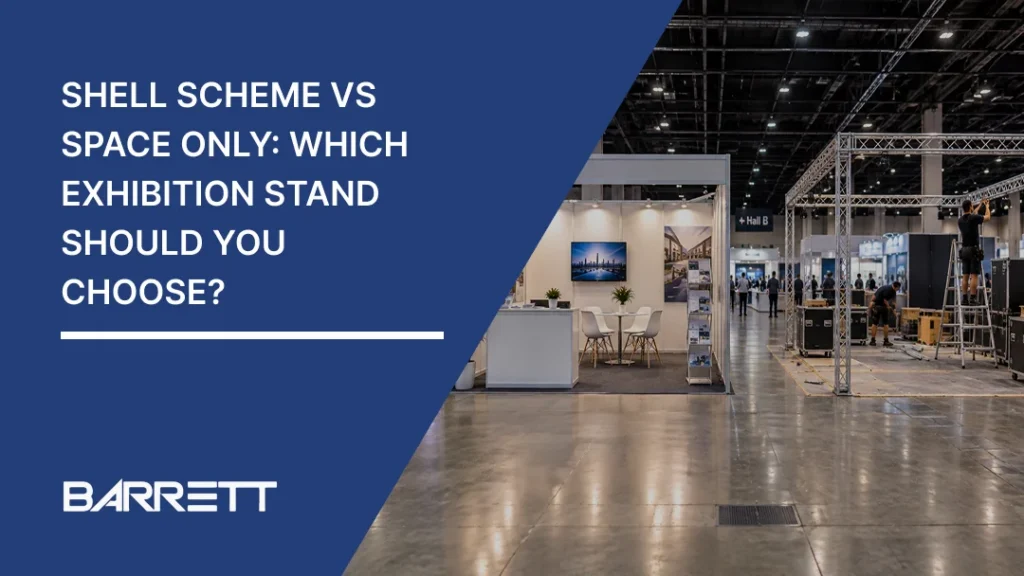
Shell Scheme vs Space Only: Which Exhibition Stand Should You Choose?
Choosing between a shell scheme and a space only stand is one..
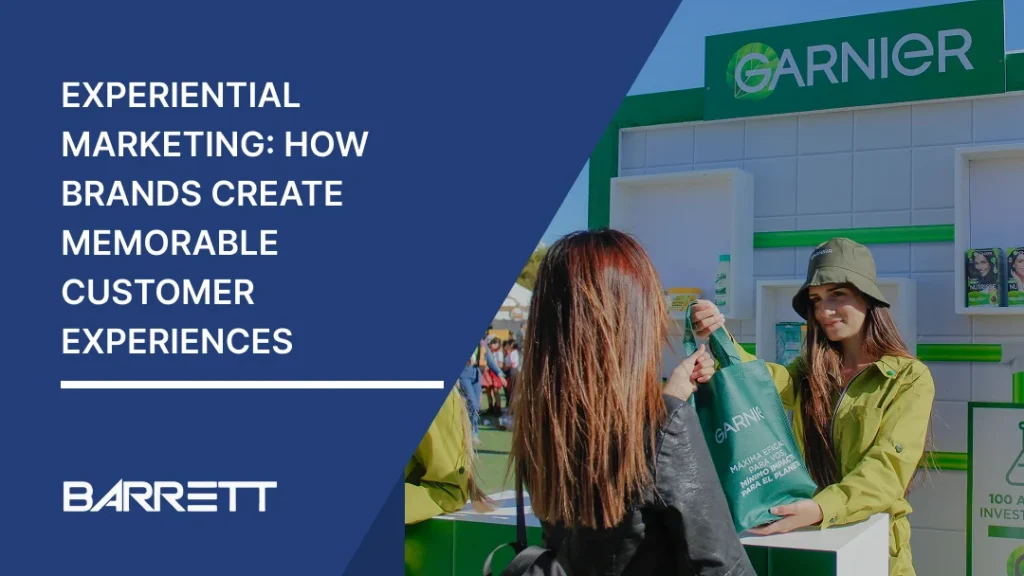
Experiential Marketing: How Brands Create Memorable Customer Experiences
The first step is getting your brand noticed. The next step is..

Exhibition Stand Regulations in Australia: What Every Exhibitor Needs to Know

10 Effective Lead Capture Strategies for Trade Shows and Exhibitions

AusIMM Strategic Mine Planning Conference 2026 in Perth

10 Questions to Ask Custom Stand Builders Before You Hire One
Contact Our Team
Turn your Perth exhibition ideas into unforgettable experiences with Barrett Exhibition Group!
Call us
Call our team to discuss any of our products or services
- 08 9244 2431
Visit us
Chat to us in person at our office
- 18 King Edward Rd, Osborne Park, WA, 6017