



10 Essential Elements for an Effective Exhibition Stand
- 5 min read
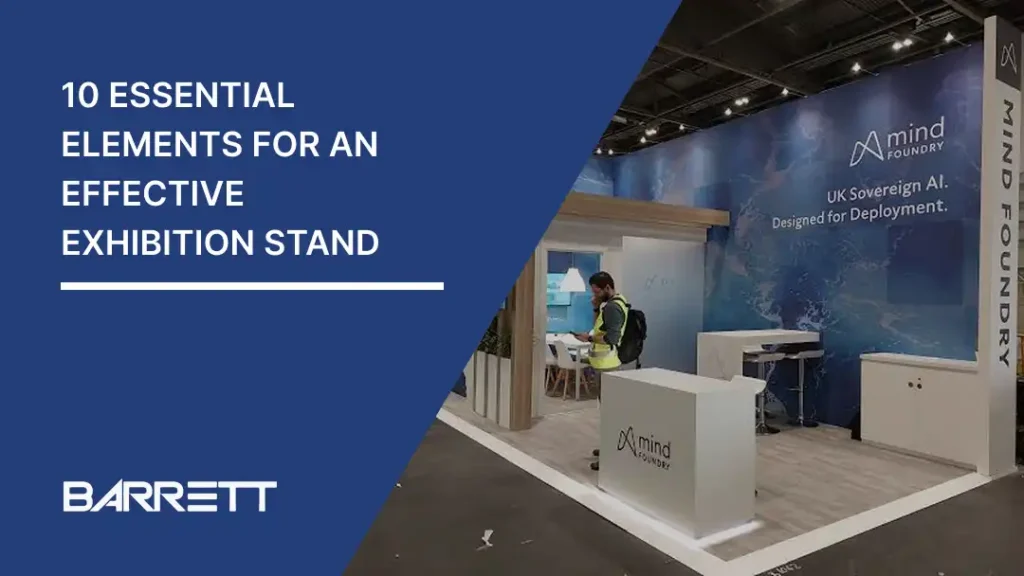
Many businesses invest heavily in a visually impressive exhibition stand, only to find that it struggles to attract visitors, communicate their message, or support meaningful conversations during the event. A stand may look impressive, but poor planning can make it difficult for visitors to understand the brand, navigate the space, explore products, or interact with the team.
Effective Exhibition Stand Design needs to combine visual appeal with functionality, accessibility, and a clear visitor journey. Every part, from the structure and graphics to the lighting, furniture, and interactive technology should have a clear purpose to make the stand more useful.
Here are 10 key elements to consider when planning an effective exhibition stand.
1. Exhibition Stand Structure
When choosing your stand structure, consider the size and layout of your allocated space, the number of visitors you expect, your exhibition objectives, and how the stand will need to function throughout the event.
The structure is the foundation of your exhibition stand. It determines your brand’s physical presence on the show floor. Generally, you have two main options: custom exhibition stands or modular systems.
Custom stands allow for complete creative freedom, enabling you to use unique shapes and high-end materials, particularly as needed for the event. Whereas, modular structures can be useful for businesses attending multiple exhibitions because they can be reconfigured for different floor spaces.
For example, a company launching a new product may require product display areas, demonstration zones, and space for visitor interaction. A service-based company, meanwhile, may benefit more from private meeting areas, comfortable seating, presentation space, and easily accessible digital displays.
2. Clear Graphics and Signage
Your graphics and signage are usually one of the first things visitors notice. They need to communicate who you are and what you offer without requiring people to stop and read a long paragraph.
Choose high-contrast colours, large fonts, and simple layouts to maximise visibility. Avoid overcrowding your walls with information; instead, focus on one powerful headline and a few essential supporting points. Position your logo and key branding at eye level or higher so they remain visible above the crowd.
Think about visibility from different distances. Visitors may first see your stand from several metres away, so important branding should be positioned where it can be seen above the crowd.
A useful 3 second rule is to follow: If someone looks at the stand for three seconds, will they understand what the company does? If the answer is no, simplify the message.
3. Effective Exhibition Lighting
Lighting can change the entire appearance of an exhibition stand. It can make a small space feel brighter, highlight important products, and create a more welcoming environment.
Do not treat lighting as something to add at the end of the project. Include it in the design from the beginning. Consider these three types:
- Ambient Lighting: Provides a general glow, making the space feel warm and inviting.
- Spotlights: Highlight specific products or “hero” items. By focusing a bright beam on a new product, you naturally draw people toward it.
- Backlighting: Using LED lightboxes for graphics makes your brand “pop” and look modern.
Avoid using only the standard hall lighting, which can be flat and cold. Instead, invest in a dedicated lighting plan. Warm lights generally feel welcoming and can attract visitors to your stand.
4. Right Exhibition Flooring
Flooring is easy to overlook, but it contributes to the overall look and feel of the stand. Many exhibitors make the mistake of using the standard grey carpet provided by the venue. However, custom flooring can define your space and set you apart from the surrounding exhibition floor.
Carpet, vinyl, laminate, raised platforms, and other flooring options can be used depending on the design, budget, and trade show requirements. For example, a company with a premium brand may choose a clean, modern flooring finish, while a technology company could use a more contemporary design with subtle lighting.
However, appearance is not the only consideration. Make sure the flooring is safe, stable, comfortable to walk on, and suitable for the venue.
5. Comfortable Furniture and Seating
Furniture should make the stand comfortable without taking over the available space. Depending on your objectives, you may need exhibition furnitures like, reception stools, chairs, sofas, bar tables, meeting tables, or product demonstration seating. Choose pieces that match your brand and the type of interaction you expect.
If your objective is quick, high-volume interactions, high-top tables and stools are ideal. If your goal is to close deals or have long technical discussions, comfortable lounge seating or private meeting chairs are better.
Avoid blocking the entrance with large furniture pieces; place seating toward the back or sides to create a natural flow. The goal is to create enough seating for meaningful conversations while keeping the main visitor paths open.
6. Product Display Areas
The main reason people visit an exhibition is to see products. Your display area should make them easy to see, and explore. Product displays can include shelving, counters, demonstration tables, wall-mounted systems, glass cases, or interactive screens. The right choice depends on the product itself.
Avoid displaying everything at the same level or putting too many products together. Instead, choose your best-selling or newest products and give them plenty of space so that they can attract visitors naturally. Your main product should receive the most attention, while supporting products can have smaller display areas.
For larger products, leave enough space around them so visitors can view them comfortably. For smaller products, use organised displays that allow people to examine them without creating clutter.
7. Welcoming Reception Counter
The reception counter is often the first point of contact between your team and visitors. So, it needs to be positioned very carefully. Place your counter near the edge of the stand without blocking the entrance.
A branded reception counter can help visitors identify your company. It can also provide a useful space for brochures, tablets, lead-capture tools, or small promotional materials.
However, avoid placing a large counter directly across the front of the stand if it creates a physical barrier. An open entrance makes the space feel more accessible. Think of the reception counter as a welcome point rather than a wall.
8. LED Screens and Interactive Technology
LED screens and interactive technology can be powerful tools for attracting attention and engaging visitors. A large LED wall displaying dynamic video content can capture attention from across the exhibition hall and encourage visitors to stop at your stand.
From touchscreens and tablets to product configurators, virtual demonstrations, and interactive displays, technology can also help you explain products or services that are difficult to demonstrate physically.
However, avoid using screens simply because they look modern. Instead of playing a generic looping video, use a touchscreen to let visitors explore your product catalogue, or use video to demonstrate how a large piece of machinery works in a limited space.
9. Meeting Areas
Meeting areas provide a dedicated space for more focused conversations, product demonstrations, sales discussions, and follow-up meetings. Depending on the stand size, this could be an open meeting table, a semi-private seating area, or a fully enclosed meeting room.
Try to position meeting areas away from the busiest visitor flow. This helps your team have conversations without competing with general stand activity. Consider comfort and accessibility as well. Comfortable seating, a suitable table, and easy access to product information or presentation screens can make meetings feel more professional and productive.
10. Branding and Decorative Elements
Branding and decorative details give your exhibition stand its personality and help create a memorable visitor experience.
Use consistent colours, typography, imagery, materials, and visual styles throughout the stand to create a cohesive look. Decorative elements can include plants, branded structures, feature walls, architectural details, illuminated logos, artwork, and carefully selected accessories.
Decorative features should support and strengthen your brand story rather than making the stand feel overcrowded. For example, a sustainability-focused company could use natural-looking materials and plants, while a technology company might use clean architectural lines and digital elements.
Common Exhibition Stand Design Mistakes to Avoid
Even with all the right elements, poor planning can reduce the effectiveness of your stand. Here are some common mistakes to avoid while designing your exhibition stand.
1. Overcrowding the Stand
Trying to include every product, graphic, piece of furniture, and technology feature can make the stand overcrowded and difficult to use. Visitors need open space to walk, stop, and interact. Keep the design focused on the most important products and messages.
2. Using Too Much Text
Exhibition visitors are usually moving through a busy environment. They will not stop to read long blocks of text on a wall.
Use short headlines, strong visuals, and easy-to-read supporting information. Detailed information can be provided through brochures, screens, demonstrations, or conversations with your team.
3. Poor Lighting
Relying only on the hall’s overhead lights is a mistake. Dark corners, poorly lit products, and inconsistent lighting can make even a high-quality stand look less attractive.
Use lighting to support your visual hierarchy. Highlight important products and branding while keeping visitor areas comfortable.
4. Blocking the Entrance
A large reception desk, product display, or furniture placed directly at the entrance can act as a barrier between your stand and visitors.
Keep the main entry points open and welcoming. Visitors should be able to see into the stand before deciding to enter.
5. Poor Use of Available Space
A small stand does not automatically mean a weak stand. The problem is often poor planning rather than limited floor area.
Use walls and vertical surfaces for branding and displays. Plan a clear visitor journey, keeping entrances open and avoiding unnecessary furniture or displays.
Conclusion
Effective Exhibition Stand Design is not simply about creating the most impressive-looking stand in the exhibition hall. It is about creating a space that attracts the right people, communicates your message clearly, and makes it easy for visitors to interact with your brand.
Before finalising your design, look at the stand from a visitor’s perspective. Can they understand your brand quickly? Can they enter easily? Can they find your products? Is there enough space to move and talk? Can your team work comfortably throughout the event?
When every element works together, your exhibition stand becomes more than a display. It becomes a practical space for attracting attention, building relationships, and supporting your exhibition goals.
FAQs
1. What are the key elements of an effective exhibition stand?
The key elements of an effective exhibition stand include:
- Right stand structure
- Clear graphics and signage
- Effective lighting
- Suitable flooring
- Functional furniture
- Product display areas
- Welcoming reception counter
- Interactive technology
- Well organized meeting areas
- Consistent branding and decoration
2. What should an exhibition stand include?
An exhibition stand should include the essential features needed to attract visitors and support your team during the event. This can include branded graphics, product displays, lighting, furniture, a reception counter, digital screens, seating or meeting areas. The exact features depend on your goals, available space, products, and budget.
3. What materials are commonly used for exhibition stands?
Common exhibition stand materials include aluminium, modular systems, wood, MDF, acrylic, glass, fabric, vinyl, and various composite panels. Aluminium and modular systems are often used for flexible and reusable structures, while wood and MDF can provide a more customised finish. Fabric graphics, acrylic, and glass are also commonly used for branding and product displays.
4. How can technology improve an exhibition stand?
Technology can make an exhibition stand more interactive and engaging. LED screens, touchscreens, digital product demonstrations, virtual experiences, QR codes, and interactive displays can help visitors understand products and services more easily. However, it should have a clear purpose and add value to the visitor experience rather than being used only for visual appeal.
5. How to choose the right exhibition stand builders?
A good exhibition stand builder should turn your ideas into a stand that is attractive, functional, and aligned with your event goals. When looking for reliable exhibition stand builders, consider these factors:
- Check their experience and previous exhibition stand projects.
- Review their portfolio, client feedback, and reputation.
- Make sure they understand your brand, goals, and target audience.
- Compare their design, build, installation, and support services.
- Choose a builder that offers clear pricing, timelines, and communication.
Explore Our Other Blogs
Illuminated vs Non-Illuminated Signs: Which Is Best for Your Business?
Your business signage can attract attention or go unnoticed, depending on how..
Effective Retail Signage Design Tips for Maximum Customer Impact
Effective retail signage gets the right message in front of the right..
Shop Front Signs in Perth: Types and Design Ideas for Your Business
A shop front sign is often the first thing a customer notices..
Reusable Exhibition Stands: How to Reuse Your Stand Across Multiple Events
A new exhibition stand for every event can quickly increase your marketing..
8 Signs It’s Time To Update Your Business Signage
Business signage is not a “set and forget” asset. It is often..

10 Cost-Effective Exhibiting Tips to Reduce Exhibition Costs
Exhibitions can generate strong leads and valuable brand exposure, but costs can..
Contact Our Team
Turn your Perth exhibition ideas into unforgettable experiences with Barrett Exhibition Group!
Call us
Call our team to discuss any of our products or services
- 08 9244 2431
Visit us
Chat to us in person at our office
- 18 King Edward Rd, Osborne Park, WA, 6017