



Trade Show Checklist: Everything You Need for a Successful Exhibition
- 5 min read
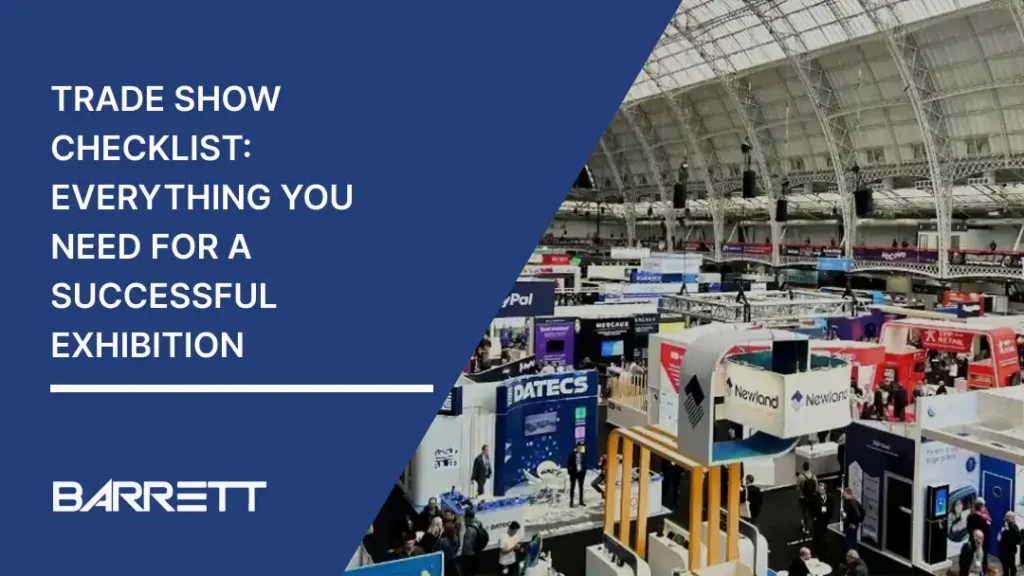
Preparing for a trade show involves much more than setting up an attractive booth. From defining your objectives and planning your exhibition stand to training your team and organising logistics, every detail contributes to the success of your event.
Without a clear plan, it’s easy to overlook important tasks, leading to unnecessary stress, missed opportunities, and additional costs. Whether you’re exhibiting for the first time or looking to improve your results, having a proper trade show checklist can help you stay organised and make the most of your investment.
From selecting the right exhibition stands to preparing marketing materials and training your staff, this guide covers the key things every exhibitor needs for successful trade show preparation.
What Is a Trade Show?
A trade show is a business event where businesses in a specific industry come together to display their products, services, and solutions to a targeted audience. These events allow businesses to connect with potential customers, meet industry professionals, build relationships, and increase brand awareness.
Exhibitors usually set up a trade show booth to highlight their latest innovations and services directly to a targeted audience, gather feedback, and establish valuable relationships.
Trade shows are typically held in large convention centers across Australia in industries such as construction, healthcare, technology, manufacturing, retail, food, and professional services. Whether you are launching a new product or simply networking, participating in these events is a crucial part of a successful marketing strategy.
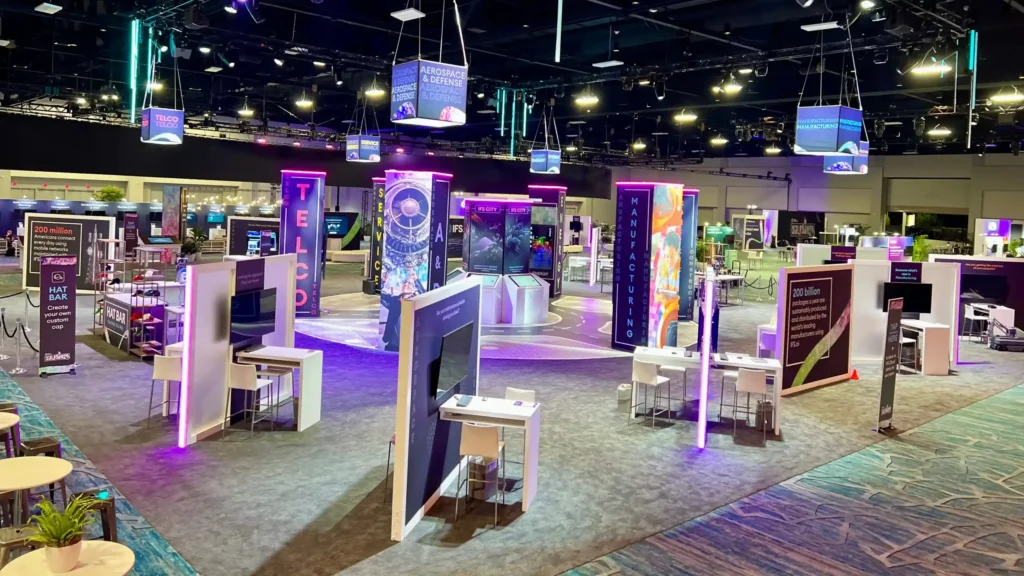
Why You Need a Trade Show Checklist
Exhibiting at a trade show requires months of planning, and even small oversights can affect your results. A well-organised checklist helps exhibitors manage tasks before, during, and after the event. It helps you stay organized and ensures you do not overlook any critical details.
A trade show preparation plan helps you:
- Prepare materials and equipment on time
- Keep track of important deadlines
- Manage your exhibition budget effectively
- Create a better visitor experience
- Avoid missing essential items during setup
- Ensure your team understands their responsibilities
Many exhibitors focus heavily on their exhibition stand design but overlook important areas such as staff preparation, visitor engagement, and lead management.
At Barrett Exhibition, we’ve noticed that the most successful exhibitors don’t necessarily have the biggest stands, they’re the ones who prepare thoroughly. Careful planning before the event often has a greater impact on results than making last-minute changes during setup.
The Complete Trade Show Checklist
1. Goal & Strategy Checklist
Before organising your trade show booth, you must be clear about what you want to achieve from the event. Your goals will influence your booth design, marketing approach, and team activities.
- Do you want to generate new leads?
- Are you launching a new product?
- Are you looking to build brand awareness?
- Do you want to meet existing customers?
- Are you aiming to create industry partnerships?
Clear objectives help you make better decisions throughout the planning process. For example, a company focused on product demonstrations may require more open display space, while a business focused on meetings may need private discussion areas.
Identify your target audience
Understand who will attend the event. Look at:
- Visitor profiles
- Industry interests
- Competitor participation
- Previous event attendance numbers
Plan your visitor experience
Think about what visitors should do when they arrive at your booth. Consider:
- Product demonstrations
- Interactive displays
- Staff conversations
- Competitions or activities
- Digital presentations
Review the event’s expected attendee demographics beforehand. Understanding visitor profiles, industry trends, and competitor participation can help you create a more targeted approach.
2. Budget Checklist
Trade show costs can quickly increase without proper planning. Create a detailed budget before making commitments.
|
Expense |
Examples |
|
Design, construction, graphics, furniture, installation |
|
|
Event fees |
Space rental, registration fees |
|
Logistics |
Transport, storage, handling fees |
|
Marketing |
Brochures, promotional items, printed materials |
|
Technology |
Screens, lighting, devices |
|
Staff expenses |
Travel, accommodation, meals |
|
Additional costs |
Insurance, cleaning, unexpected requirements |
Always include a contingency budget for unexpected expenses such as last-minute printing, delivery changes, or onsite adjustments.
Note: Always set aside 10-15% of your total budget for unexpected expenses.
3. Booth Planning Checklist
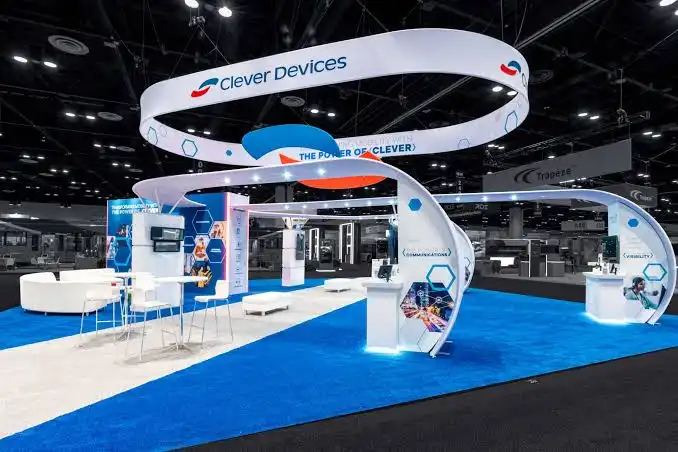
Your exhibition stand is often the first impression visitors have of your business. An effective booth should attract attention, communicate your brand clearly, and encourage meaningful conversations within just a few seconds.
Before designing and building the booth, consider:
- Exhibition Stand type (i.e custom stands or modular stands)
- Booth size requirements
- Budget
- Visitor flow
- Product display areas
- Meeting spaces
- Brand visibility
Be aware of common exhibition stand design mistakes before finalising your layout to avoid weak brand visibility. Clear branding, strong visuals, and a welcoming layout can significantly improve visitor interaction.
Essential Booth Elements
Important exhibition booth elements include:
-
- Company logo displays
- Clear messaging
- Product images
- Exhibition signage
- Lighting requirements
- Promotional graphics
Before finalising your design, review the venue’s exhibitor manual carefully. Most venues have requirements relating to stand height, electrical connections, installation times, safety regulations, and approved contractors.
4. Marketing Materials Checklist
Your marketing materials help support conversations at the exhibition and also help visitors to remember your business after the event.
Prepare:
- Business cards
- Product brochures
- Company profiles
- Flyers
- Product samples
- Presentation materials
- Promotional items
- Digital downloads or QR codes
Avoid overwhelming visitors with unnecessary information. Focus on resources that clearly communicate your value proposition, address customer challenges, and highlight solutions that can encourage future conversations.
5. Technology & Equipment Checklist
Technology and modern equipment can significantly improve an exhibition presence and enhance the visitor experience at any trade show booth.
- Laptops or tablets
- LED advertising screens or monitors
- Chargers and power cables
- Extension leads
- Adapters and connectors
- Presentation files
- Backup files and storage devices
- Internet connectivity requirements
- Product demo equipment
Before the event, test every device and save backup versions of presentations offline. Venue Wi-Fi can be unreliable, and technical delays can quickly affect visitor engagement.
6. Staff Preparation Checklist
Your team plays a major role in exhibition success. Even the best-designed trade show exhibit booth will not perform well without prepared staff. Make sure staff understand:
- Exhibition goals
- Key product messages
- Target customers
- Conversation starters
- Lead collection process
Assign clear responsibilities, such as:
- Visitor engagement
- Product demonstrations
- Customer meetings
- Lead management
- Booth maintenance
We’ve seen beautifully designed exhibition stands attract plenty of attention, only for opportunities to be missed because staff weren’t prepared to engage visitors.
Signage and displays attract attention, but it’s also your team’s energy that encourages people to stop and chat. Avoid having staff sit behind counters or standing together in groups at the booth. Passive behaviour can discourage visitors from approaching.
7. Other Essentials
A thorough exhibition booth checklist will remind you of the small items that can make a big difference. Include these items in your preparation:
- Comfort items: Water, snacks, breath mints, pain relievers, tissues, and personal essentials.
- Setup tools: Pack tape, scissors, zip ties, markers, cable ties, and basic tools for quick booth adjustments.
- Cleaning supplies: Hand sanitizer, wipes, cleaning cloths, rubbish bags, and a portable steamer.
- Safety items: A basic first aid kit, bandages, antiseptic wipes, and any necessary personal medications.
- Organisation items: Notebooks, pens, labels, storage bags, and folders for keeping documents and supplies organised.
Full Trade Show Packing Checklist
|
Category |
Items to Pack |
|
Documents |
Exhibitor passes, event confirmation, venue information, insurance documents |
|
Booth materials |
Displays, banners, graphics, signage, furniture |
|
Marketing |
Brochures, flyers, business cards, product information |
|
Technology |
Laptop, tablets, screens, chargers, cables, adapters |
|
Demonstration items |
Products, samples, tools, backup equipment |
|
Staff items |
Uniforms, name badges, comfortable shoes, schedules |
|
Office supplies |
Pens, notebooks, scissors, tape, markers |
|
Customer engagement |
Lead forms, QR codes, promotional items |
|
Personal essentials |
Water, snacks, medication, cleaning items |
Conclusion
With years of experience designing and delivering exhibition stands across Australia, we’ve learned that successful trade shows are built on preparation as much as presentation. Effective trade show preparation requires planning your goals, managing your budget, designing the right booth experience, and organising every essential item.
For businesses looking to create an exhibition stand that makes a strong impact, partnering with an experienced exhibition stand builder can simplify the entire process. At Barrett Exhibition, we help businesses design, build, and deliver custom exhibition stands that reflect their brand, engage visitors, and support their trade show objectives.
Whether you are attending your first exhibition or improving your next one, having the right planning process and professional support can transform a simple booth into a valuable business opportunity.
Frequently Asked Question
1. What should first-time exhibitors know?
First-time exhibitors should focus on planning early, understanding their audience, and preparing their team. A booth alone does not create success, the conversations, visitor experience, and follow-up process are equally important.
Start by understanding your goals, reviewing event requirements, and creating an organised exhibition booth checklist.
2. What are the most common trade show mistakes?
Common mistakes include:
- Starting preparation too late
- Not setting clear goals
- Choosing a booth design without considering event objectives
- Not training staff properly
- Forgetting important equipment
- Failing to follow up with leads after the event
3. What should I bring to a trade show?
You should bring booth materials, marketing resources, technology equipment, staff essentials, business documents, and items needed for customer conversations.
A complete packing list should include both major items, such as displays and screens, and small essentials like chargers, stationery, and cleaning supplies.
4. How early should I start preparing for a trade show?
Most exhibitors should begin planning at least 3 months before a major trade show. Larger exhibitions may require even more time for booth design, production, logistics, and marketing preparation.
Starting early gives you more time to solve unexpected issues and create a stronger exhibition experience.
Explore Our Other Blogs
Shell Scheme vs Space Only: Which Exhibition Stand Should You Choose?
Choosing between a shell scheme and a space only stand is one..

Experiential Marketing: How Brands Create Memorable Customer Experiences
The first step is getting your brand noticed. The next step is..
Exhibition Stand Regulations in Australia: What Every Exhibitor Needs to Know
10 Effective Lead Capture Strategies for Trade Shows and Exhibitions

AusIMM Strategic Mine Planning Conference 2026 in Perth
10 Questions to Ask Custom Stand Builders Before You Hire One
Contact Our Team
Turn your Perth exhibition ideas into unforgettable experiences with Barrett Exhibition Group!
Call us
Call our team to discuss any of our products or services
- 08 9244 2431
Visit us
Chat to us in person at our office
- 18 King Edward Rd, Osborne Park, WA, 6017