



Understanding the Different Types of Signage for Retail Businesses
- 5 min read
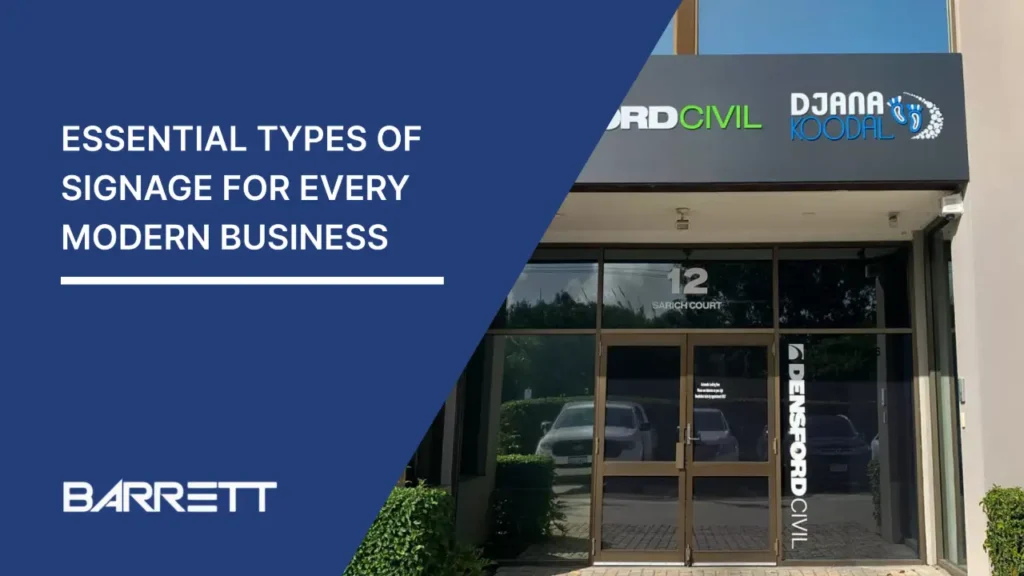
Have you ever walked by a shop and instantly noticed it because of eye-catching signage or showcases? Or have you ever been lured into a store just because a deal grabbed your attention from outside? In the current competitive business environment, standing out is not always simple. Effective signage can greatly impact how customers discover, identify, and remember your brand.
Whether you’re looking for eye-catching outdoor signage, helpful wayfinding signs, engaging digital signage, or custom retail signage, each option plays a different role in improving the customer experience. Selecting the wrong type of signage may lead to losing opportunities to engage with potential customers and weaken your brand identity.
In this guide, we will discuss various types of signage commonly used in businesses and how to select the appropriate signage options for your requirements.
What Is Signage?
Signage refers to any visual display used to provide information, promote products or services, guide visitors, and increase brand visibility. It includes everything from outdoor signage and window graphics to digital signage and directional signs used inside a business.
Signage can help bring in customers, promote offers, provide directions, or strengthen brand recognition depending on its purpose. While retail signage is commonly used in stores and shopping centres, many other businesses use different types of signage to improve visibility, communicate important information, and enhance customer experiences.
Importance of High Quality Signage Design
Your signage is often one of the first things people notice about your business. As the saying goes, “First impression is the last impression“, a high quality signage design helps create a professional image while making your message clear to understand.
Effective signage can help:
- Attract potential customers
- Improve brand image
- Increase visibility
- Communicate information clearly
- Create a more positive customer experience
Whether it’s a storefront sign, promotional display, or wayfinding signage, a well-designed sign can make a lasting impact on customers.
Common Types of Retail Signage
1. Outdoor Signage
Outdoor signage is designed to grab attention and make a business visible from a distance. This can include building signage, pylon signs, monument signs, and other exterior signs that help customers locate a business more easily.
Common types of outdoor signage include:
- Pylon signs
- Monument signs
- Freestanding signs
- Building signs
- Channel letter signs
For example, a retail store located along a busy road may use a pylon sign to increase visibility and help customers find the location more easily.
2. Window Displays and Window Graphics
Window displays and window graphics are effective signage solutions that help businesses capture the attention of people passing by. Many businesses use large format printing to create eye-catching window graphics that showcase products, promotions, and brand messages.
Window graphics can include:
- Promotional decals
- Vinyl lettering
- Business hours
- Seasonal campaigns
- Brand visuals
For example, a clothing store may use large window graphics to advertise an end-of-season sale, while a café may display its opening hours and featured menu items on the front window.
3. Point-of-Purchase (POP) Signage
Point-of-Purchase (POP) signage is placed near checkout counters, product displays, or high-traffic areas to influence buying decisions at the point of sale. These signs are commonly used to highlight promotions, discounts, new arrivals, or featured products.
Examples of POP signage include:
- Countertop displays
- Shelf talkers
- Promotional posters
- Product display stands
- Price and discount signs
For example, a supermarket may place POP signage near the checkout area to promote snacks, drinks, or limited-time offers, encouraging impulse purchases.
As part of effective retail display ideas, POP signage helps draw attention to specific products, increase sales, and improve the overall shopping experience.
4. Promotional Signage
Promotional signage is used to advertise special offers, discounts, new product launches, and seasonal campaigns. Its main purpose is to grab attention quickly and encourage customers to take action.
These signs are commonly found in retail stores, shopping centres, restaurants, and other commercial spaces during sales events or promotional periods.
For example, a store in a shopping mall may use promotional signage to advertise an “End of Financial Year Sale” or a “Buy One, Get One Free” offer to attract more customers.
5. Wayfinding Signage
As a type of internal signage, wayfinding signage helps people navigate a space and find their destination quickly. These signs are especially useful in large environments where visitors may need guidance, such as shopping malls, office buildings, hospitals, airports, and exhibition venues.
Common examples of wayfinding signs include:
- Directional arrows
- Floor directories
- Room identification signs
- Entry and exit signs
- Parking guidance signs
For example, in a shopping mall, wayfinding signage can help visitors locate specific stores, restrooms, food courts, or parking areas without confusion.
6. Informational Signage
Informational signage is used to provide important details that help customers, visitors, and staff understand a space or service. These signs can be displayed through traditional internal signage or modern digital signage, depending on the business’s needs. These signs communicate information clearly and make it easier for people to find what they need.
Common examples of informational signs include:
- Business hours
- Safety instructions
- Store policies
- Product information
- Facility rules
For example, a retail store may use informational signage to display return policies, while an office building may use it to communicate safety procedures or visitor guidelines.
7. Digital Signage
Digital signage uses electronic screens to display advertisements, promotions, announcements, and other business information. Unlike traditional signs, digital signs can be updated quickly, making them a flexible and cost-effective solution for businesses. Many businesses are also investing in LED advertising screens to deliver dynamic content, increase visibility, and engage customers more effectively.
Common examples include:
- LED displays
- Interactive kiosks
- Digital menu boards
- Video walls
- Promotional screens
For example, a retail store may use digital signage to promote special offers, while a shopping centre may display directories and event information.
8. Custom Retail Signage
Custom retail signage is designed specifically to match a business’s branding, goals, and store environment. Unlike standard signs, custom signage allows businesses to create a unique look that reflects their brand identity and helps them stand out from competitors.
Custom signage can include:
- Branded storefront signs
- Product display signs
- Window graphics
- Promotional displays
- Custom-shaped signs
For example, a boutique store may use custom signage with unique colours, materials, and designs that align with its brand image and create a more memorable shopping experience.
How to Choose the Right Signage for Your Business
With so many sign types available, choosing the right signage depends on your business goals, location, and target audience. The most effective signage is the one that delivers the right message to the right people at the right time.
When selecting signage, consider the following factors:
- Purpose – Are you trying to attract customers, promote products, provide information, or improve navigation?
- Location – Determine whether you need outdoor signage to increase visibility or indoor signage to enhance the customer experience.
- Audience – Consider who will be viewing the sign and what information they need.
- Branding – Ensure the design, colours, and messaging align with your brand image.
- Budget – Choose signage solutions that fit your budget while still delivering long-term value.
For example, a business located on a busy street may benefit from outdoor signs such as pylon signs or a monument sign, while a store inside a shopping mall may achieve better results with window graphics, promotional signage, and digital signage.
If you’re unsure which signage solution is right for your business, seeking professional advice can help you avoid costly mistakes and achieve better results. At Barrett Exhibition Group, our team provides custom signage and graphics solutions based on your business needs, location, branding, and budget.
Conclusion
The right signage can do much more than display your business name. From attracting attention with outdoor signs to guiding visitors with wayfinding signage and engaging customers through digital signage, each type serves a unique purpose in supporting your business goals.
By understanding the different types of signage and where they work best, you can create a better experience for customers while strengthening your brand presence.
If you’re looking for high-quality signage solutions tailored to your business, Barrett Exhibition Group can help. From custom signage to exhibition stands and displays, our team designs, manufactures, and installs solutions that help businesses attract attention and create a lasting impression.
Frequently Asked Question
1. What are the main types of signage used by businesses?
The most common types of signage used by businesses include outdoor signage, window graphics, promotional signage, point-of-purchase (POP) signage, wayfinding signage, informational signage, digital signage, and custom retail signage. Each type serves a different purpose, from attracting customers to providing important information.
2. Why is signage important for a business?
Signage helps businesses attract potential customers, improve brand recognition, communicate important information, and create a positive first impression. High-quality signage can also make a business easier to find and remember.
3. What type of signage is best for retail stores?
The best retail signage depends on the business’s goals. Window displays, promotional signage, POP signage, and digital signage are commonly used by retail stores to attract customers, highlight products, and increase sales.
4. What is the difference between indoor and outdoor signage?
Outdoor signage is designed to attract attention and increase visibility outside a business, while indoor signage is used inside a building to provide directions, display information, promote products, or improve the customer experience.
5. How do I choose the right signage for my business?
When choosing signage, consider your business location, target audience, branding, budget, and objectives. If you’re unsure which signage solution is right for your business, consulting a professional signage company can help you make the best decision.
Explore Our Other Blogs
Shell Scheme vs Space Only: Which Exhibition Stand Should You Choose?
Choosing between a shell scheme and a space only stand is one..

Experiential Marketing: How Brands Create Memorable Customer Experiences
The first step is getting your brand noticed. The next step is..

Exhibition Stand Regulations in Australia: What Every Exhibitor Needs to Know

10 Effective Lead Capture Strategies for Trade Shows and Exhibitions

AusIMM Strategic Mine Planning Conference 2026 in Perth

10 Questions to Ask Custom Stand Builders Before You Hire One
Contact Our Team
Turn your Perth exhibition ideas into unforgettable experiences with Barrett Exhibition Group!
Call us
Call our team to discuss any of our products or services
- 08 9244 2431
Visit us
Chat to us in person at our office
- 18 King Edward Rd, Osborne Park, WA, 6017