



10 Cost-Effective Exhibiting Tips to Reduce Exhibition Costs
- 5 min read
Exhibitions can generate strong leads and valuable brand exposure, but costs can rise quickly. Space, stand design, graphics, transport, installation, staff, power and storage all affect your final spend.
Cost-effective exhibiting does not mean a cheap-looking stand or compromising on stand quality. It means making smarter decisions about where your budget goes, reducing avoidable expenses and investing in the elements that contribute most to your exhibition goals.
This guide breaks down 10 practical ways to reduce exhibition costs without hurting your stand quality or your results. Each tip is something you can act on for your next show, whether you are a first-time exhibitor or you exhibit several times a year.
1. Set a Clear Exhibition Budget Before You Start
A clear exhibition budget is the foundation of cost-effective exhibiting. Before you contact an exhibition stand builder or book floor space, work out what you can realistically spend and what you expect to get back in leads, sales or brand exposure.
Break your exhibition budget planning into categories so nothing gets missed:
Budget category | What it typically covers |
Stand space | Floor space rental from the organiser |
Stand design and build | Custom or modular exhibition stand, graphics, furniture |
Logistics | Transport, storage, installation and dismantle |
Staffing | Travel, accommodation, wages for exhibition staff |
Marketing | Promotional material, giveaways, pre-show marketing |
Contingency | 10 to 15% buffer for unplanned costs |
Setting your exhibition goals first (leads, brand awareness or product launches) makes budget planning easier, because every dollar can be tested against whether it supports that goal. Without a set budget, it is easy to spend more on small decisions that add up during exhibition planning.
2. Choose the Right Stand Size for Your Goals
A bigger exhibition stand does not automatically deliver a better result. A larger exhibition space can increase visibility, but it also increases structure, graphics, furniture, lighting, flooring, transport and labour costs.
A well-designed smaller exhibition stand often outperforms an oversized one, because visitors respond to clarity and good design, not floor space. Before you book, ask:
- How many staff will be on the stand at once
- Do you need a meeting area or product display space
- What is the average stand size for your industry at this venue
- Will a smaller footprint still let visitors move freely
A well-planned 3 x 3 metre stand can work harder than a large space filled with unused furniture. Keep the front open, put the main message at eye level and guide visitors from attraction to conversation to lead capture.
3. Book Your Stand and Services Early
Early booking is one of the simplest ways to reduce exhibition costs. Organisers, stand builders and logistics providers often charge more as a show date approaches, because late orders mean rushed production and reduced flexibility.
Booking early typically gives you:
- Lower floor space rates through early-bird pricing
- More design time, which reduces rework and rush fees
- Better availability of your preferred exhibition stand hire options
- Lower freight and installation costs, since these are not rushed
As a rule, start your exhibition planning at least three to six months ahead for a standard stand, and earlier for a custom build or a major event. Ask the organiser for the exhibitor manual early. Check height limits, access times, power requirements, fire certificates, delivery rules and approval deadlines as part of exhibition stand regulations.
4. Consider a Reusable or Modular Exhibition Stand
If you exhibit more than once a year, a modular exhibition stand is one of the strongest cost-saving decisions you can make. It is built from reusable frame components that can be reconfigured into different sizes and layouts for different shows.
The initial investment in modular stands is spread across several events, while only selected graphics or accessories may need updating. Whereas, a custom exhibition stand built for a single show is often not reusable in its original form, which means you pay full production costs again for the next event.
You should consider a modular exhibition stand when you need:
- Different layouts for different exhibition space sizes
- Faster installation and dismantling
- Consistent exhibition branding
- Lower cost per event over time
- A practical balance between custom and portable displays
5. Reuse Exhibition Graphics and Stand Components
Exhibition graphics and stand components, including signage, are one of the easiest places to cut cost without cutting quality. Reuse does not mean repeating the same campaign forever. It means designing the permanent parts of the stand around your brand, then changing only the specific parts of the stand.
Use evergreen elements for your logo, core value proposition, colour palette and general service message and keep show-specific or campaign details on smaller, replaceable panels.
This approach means:
- You reprint only a few panels between shows instead of the entire stand
- Your exhibition branding stays consistent across events
- Stand components like counters, shelving and lighting can be reused across different layouts
Keep a simple inventory after each event. Record what was used, what needs repair and what can be reused. This prevents duplicate purchases and makes exhibition planning faster.
6. Plan Transport, Storage, Installation and Dismantle in Advance
Exhibition logistics, including transport, storage, stand installation and stand dismantling, are often underestimated in exhibition budget planning. Left to the last minute, these costs rise quickly through rush freight, weekend labour rates and emergency storage bookings.
Plan logistics early by:
- Confirming transport routes and lead times with your exhibition stand hire or build partner
- Booking storage for your stand between shows if you are reusing it
- Scheduling installation and dismantle during standard access hours, not after-hours slots
- Packing components in labelled, reusable cases to speed up setup and pack-down
Good logistics planning also protects your stand from damage, which avoids unplanned repair or replacement costs before your next event.
7. Create a Simple but Engaging Exhibition Experience
An effective exhibition display does not need expensive technology or a complex structure. Visitors need to understand three things quickly: who you are, what you offer and what they should do next.
Focus your spend on the elements that drive visitor engagement:
- Use one strong headline rather than several competing messages.
- Show a product, sample or short demonstration where relevant.
- Add a QR code to a useful page, booking form or digital catalogue.
- Use one screen or tablet only when it supports a clear purpose.
- Provide a comfortable conversation point for qualified prospects.
- Keep brochures and giveaways selective instead of placing everything on the counter.
The best low-cost interaction is often a useful conversation. Train the team to ask a relevant question, listen and offer a clear next step. This can deliver more value than an expensive feature that creates no qualified lead.
8. Plan Numbers of Staff Carefully
Exhibition staff costs, including travel, accommodation, meals and wages, can quietly become one of the largest exhibition expenses. Bringing your full team to every show feels supportive, but it rarely improves visitor engagement and will just increase the costs.
Instead, plan staff numbers against your stand size and expected visitor traffic:
Stand size | Typical staff on shift at once |
Small stand (under 12 sqm) | 1 to 2 |
Medium stand (12 to 30 sqm) | 2 to 4 |
Large stand (30 sqm plus) | 4 to 6, rotating in shifts |
Rotate staff in shifts rather than keeping everyone on-site for the full show. This keeps your team fresh for visitor conversations and reduces unnecessary accommodation and travel costs.
9. Avoid Last-Minute Changes and Additional Costs
Last-minute costs are one of the biggest reasons exhibition budgets blow out. Late graphic changes, rush freight, urgent furniture hire and extra venue services all attract premium pricing, sometimes double the standard rate.
Common last-minute costs to plan around:
- Late graphic panel changes or reprints
- Rush electrics or venue service bookings
- Emergency furniture or AV hire on show days
- Express freight for missed transport deadlines
Locking in your exhibition stand design, graphics and logistics well ahead of the show is the most reliable way to avoid these charges. A trade show checklist for exhibitors can help you track deadlines so nothing gets left to the last week.
10. Consider Hiring an Exhibition Stand
For exhibitors who attend one or two shows a year, or who are testing a new market, exhibition stand hire is often more cost-effective than buying. Hiring removes the need for storage, long-term maintenance and full rebuild costs, while still giving you a professionally designed stand.
Hiring can make sense when:
- You exhibit infrequently or are trialling a new event
- You want to test a stand size or layout before committing to a purchase
- You need a stand for a short-notice opportunity
- You would rather avoid storage and maintenance costs between shows
Buying may offer better value when you attend several events and can reuse the same frame and components. It is better to compare the total cost per event, not only the first invoice.
Costs You Should Not Cut When Exhibiting
Cost-effective exhibiting is about spending smart, not spending less everywhere. Some costs directly affect your exhibition ROI, and cutting them usually costs more in lost leads and weaker brand impact than it saves.
Protect your budget in these areas:
- Stand quality and build. A poorly built stand looks unprofessional and can raise safety concerns during installation.
- Visitor experience. Comfortable exhibition furniture, clear pathways and functioning technology matter more than extra decoration.
- Staff training. Well-briefed exhibition staff generate more qualified leads than a larger but untrained team.
- Lead capture. Skipping lead capture tools to save money undermines the entire purpose of exhibiting. Follow trade show lead capture strategies for low-cost options that still work.
- Compliance and safety. Electrical testing, fire-rated materials and structural safety are not areas to shortcut.
Cutting these areas can create a poor visitor experience, missed leads or expensive rework. The goal is to spend more on what visitors notice and what supports your business outcome.
Conclusion
Cost-effective exhibiting is about making smart decisions throughout the planning process, not simply choosing the cheapest options. Setting a clear budget, choosing the right stand size, planning early, reusing stand components and controlling logistics can help reduce unnecessary expenses while maintaining a professional exhibition presence. Most importantly, focus your budget on the elements that improve visitor experience, generate leads and support your exhibition goals.
If you’re planning an exhibition and need a stand that fits your space, brand and budget, Barrett Exhibition Group can help. From custom exhibition stands and display solutions to exhibition booths, Barrett provides practical exhibition solutions designed to help businesses create an effective presence without unnecessary costs.
Frequently Asked Questions (FAQs)
1. What is the most cost-effective type of exhibition stand?
A modular exhibition stand is usually the most cost-effective option for exhibitors attending more than one show a year, because the components are reused across events instead of rebuilt each time. For one-off events, exhibition stand hire can be more cost-effective than buying.
2. How much should I budget for an exhibition stand?
Exhibition stand costs vary widely depending on size, design complexity and location, from a few thousand dollars for a small modular stand to well over $30,000 for a large custom build. Always add a 10 to 15 percent contingency for unplanned costs.
3. Is it cheaper to hire or buy an exhibition stand?
Hiring is usually cheaper for exhibitors attending one or two shows a year, since it avoids storage, maintenance and rebuild costs. Buying becomes more cost-effective over time if you exhibit regularly, because the investment is spread across multiple events.
4. How can I reduce exhibition transport and installation costs?
Book transport and installation early, use labelled reusable packing cases, and schedule setup and dismantle during standard access hours rather than after-hours slots, which often attract premium rates.
5. Does a larger exhibition stand always cost more?
Not always in outcome, but almost always in upfront cost. A larger exhibition stand costs more in floor space, materials and staffing, but a smaller, well-designed stand can deliver a better visitor experience and stronger ROI for a lower total spend.
Explore Our Other Blogs

Illuminated vs Non-Illuminated Signs: Which Is Best for Your Business?
Your business signage can attract attention or go unnoticed, depending on how..
Effective Retail Signage Design Tips for Maximum Customer Impact
Effective retail signage gets the right message in front of the right..
Shop Front Signs in Perth: Types and Design Ideas for Your Business
A shop front sign is often the first thing a customer notices..
Reusable Exhibition Stands: How to Reuse Your Stand Across Multiple Events
A new exhibition stand for every event can quickly increase your marketing..

8 Signs It’s Time To Update Your Business Signage
Business signage is not a “set and forget” asset. It is often..
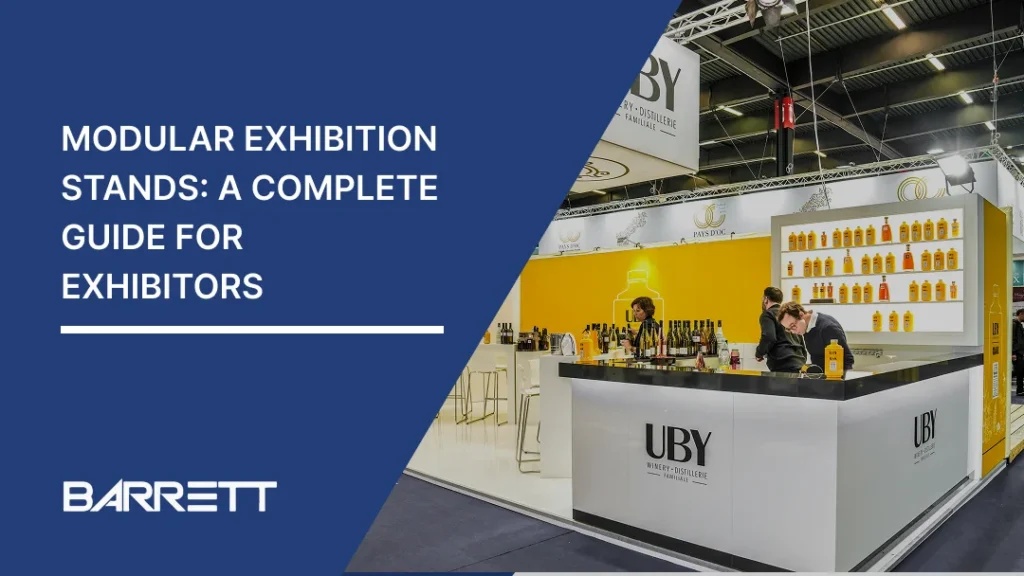
Modular Exhibition Stands: A Complete Guide for Exhibitors
To have an effective exhibition stand, one must be able to capture..
Contact Our Team
Turn your Perth exhibition ideas into unforgettable experiences with Barrett Exhibition Group!
Call us
Call our team to discuss any of our products or services
- 08 9244 2431
Visit us
Chat to us in person at our office
- 18 King Edward Rd, Osborne Park, WA, 6017