



Exhibition Etiquette: Essential Dos and Don’ts for Exhibitors
- 5 min read
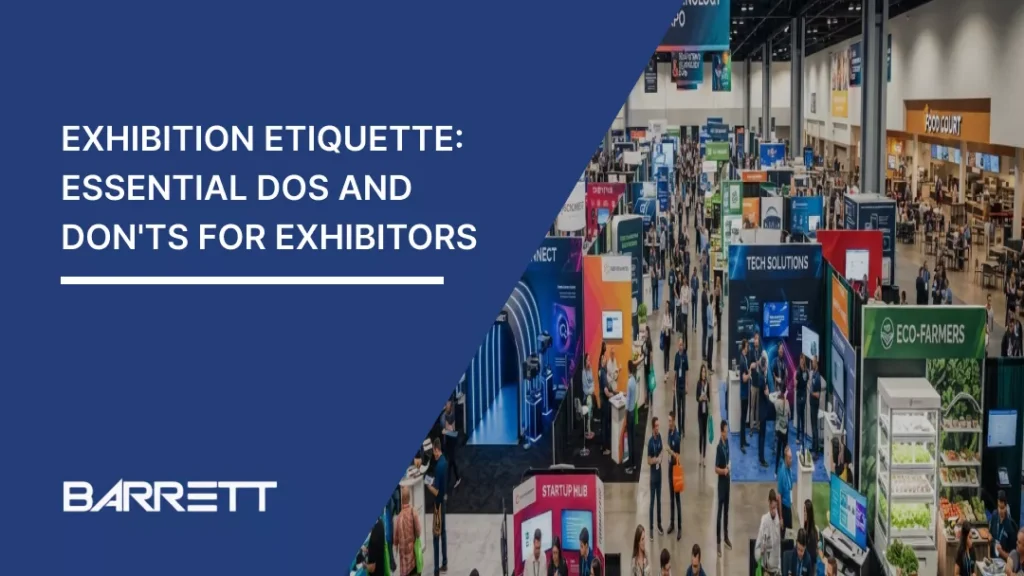
A successful exhibition is not only about having a good booth and products on display. Once the exhibition starts, the behaviour of you and your colleagues may influence the impression that will be created by your business at the exhibition and make the visitors remember it beyond.
So, what does it take to make a good impression and represent your business professionally? Knowing the correct exhibition etiquette will help you present your company well and maximize benefits from any event.
What Is Exhibition Etiquette and Why Does It Matter?
Exhibition etiquette is the shared standard of conduct for exhibitors, staff, and visitors. They involve effective communication, behavior on the show floor, secure displays and use of shared space. An attractive exhibition stand and displays may open doors, but the staff’s behaviour will determine what happens next.
An easily accessible entrance, organized stand and helpful staff encourage conversations. Bad behavior might drive away potential customers, affect relationships among neighbors and affect safety. Good trade show etiquette honors people’s time while creating positive experience and productive conversations.
Exhibition etiquette matters because:
- First impressions form in seconds, before staff say a word.
- Visitors judge your brand by how your team behaves.
- Shared exhibition spaces need cooperation between neighbours.
- Respectful conduct builds relationships that lead to future sales.
Before the Exhibition: Preparing Your Team and Stand
Most etiquette mistakes are made before the bump-in. Therefore, before the exhibition, it would be better to have a quick briefing for your team and a look through the exhibitor’s manual.
Brief Your Staff on Their Roles and Responsibilities
- Set out the goals and tasks, like welcoming visitors, presenting your product or service, answering technical questions and writing down leads.
- Have a staff briefing 1-2 weeks before the exhibition where you go through the important messages, the schedule, tasks, and how to deal with visitors.
- Make sure all of them know how to qualify a visitor’s interest, write down their contacts and answer their questions.
- Decide on a clear handover procedure so that your staff can pass the visitor to the right person if necessary.
- Set clear rules concerning mobile phones, breaks, noise level and proper behavior so that your stand is never left unattended.
Understand the Event Rules and Venue Requirements
Study the exhibitor’s manual early because it will give you the venue requirements which differ according to each show. Also, review and follow exhibition stand regulations in Australia.
- Pay attention to bump-in and bump-out time periods, loading, height, noise regulations, and any other requirements related to demonstrations and giveaways.
- Make sure your stand, furniture, and promotional materials fit within your allocated space.
- Be certain that aisles, exits, and fire extinguishers remain unobstructed at all times while setting up your exhibit and throughout the event.
- Check the power requirements, test your screens, lighting, product demonstrations prior to opening the exhibition.
- Obey safety requirements of the venue while setting up and pack-up, wearing necessary safety equipment, and report hazards to organisers.
Set a Dress Code and Prepare Your Team
Wear clean, comfortable, and event appropriate clothes, matching with the brand which helps visitors identify your team members. Also include badges as it lets visitors know to whom they are talking to and also wear comfortable shoes for long days.
Exhibition Stand Staff Etiquette: How to Interact with Visitors
Welcome Visitors Without Being Pushy
- If you are close to the entry point, stand there, have a relaxed posture and a smile along with the following kind of question “Hello, How can I help you?”.
- Do not obstruct people’s way or start selling right away. Give your visitors some time to look around before asking any questions.
- Having a welcoming team also helps you attract more visitors, because people stay when they feel comfortable.
Listen to Visitors and Understand Their Needs
- Ask an open question, listen to the visitor and respond to their actual needs.
- Do not judge people by appearance or assume they lack influence.
- Welcome and respect everyone and then find what the next best step for them could be.
- A beneficial discussion may begin with why they came to this event and what is the problem that they are dealing with. This gives your staff a reason to start a useful conversation instead of delivering the same pitch to every person.
Keep Conversations Professional and Relevant
- Keep explanations brief and relevant to the visitor’s question.
- Stay on topic and respect the visitor’s time.
- Avoid confidential discussions, competitor criticism and claims you cannot support.
- If a visitor is not a good fit, thank them and let them move on.
Give Visitors Space to Browse
- Greet people with a nod or a smile and let people browse without hovering or standing between them and a display.
- Keep the entrance clear and allow room for visitors, including people using mobility aids.
- Offer help briefly, then give them time to respond.
Handle Questions You Cannot Answer Honestly
Never guess or overpromise. An honest answer builds more trust than a confident mistake. So, tell the visitor you will confirm the answer, connect them with a specialist or follow up, and record the question with permission. For complaints, listen, acknowledge the issue and involve a manager when needed.
Exhibition Dos and Don’ts: Common Behaviours to Follow and Avoid
Keep Your Stand Clean, Organised and Welcoming
When there is no one around, organize the brochures, take out any garbage and put the demonstration items back in place. Clean the screens and surfaces and ensure that flooring is free of marks. Clutter is one of the most common exhibition stand design mistakes, so keep the displays minimal.
Stay Engaged and Avoid Mobile Phone Distractions
Put your phone away when visitors are present. In case you need to reply to an urgent work-related message, move to the side and make sure your colleague takes care of the stand. You can use the quiet periods to organize the stand or review product details.
Avoid Eating, Drinking or Having Personal Conversations at the Stand
It is okay to drink water during the quiet periods, but not in front of the visitors. It is important not to eat and have personal conversations while the visitors are present; it should be done during breaks. Additionally, it is important to rotate breaks with the colleague in order to keep the stand manned.
Don’t Sit Back, Crowd Together or Ignore Visitors
Do not crowd the entrance and sit behind the table. Spread around and maintain a good view of the aisle. Also, avoid judging the visitors by their badge or appearance. Right decision-maker does not necessarily look like one.
Avoid Packing Up Before the Event Officially Closes
Some of the best conversations happen during the last hour of the event. Therefore, stay available until the organizer declares the closure of the event. Packing up early will distract the visitors and neighbors and will possibly violate the event policy. Planning transport and logistics early makes a smooth exit easier.
Respecting Other Exhibitors and Shared Exhibition Spaces
Shared exhibition space only works when everyone cooperates. Therefore, introduce yourself to neighbouring exhibitors on bump-in. Being polite from the very beginning helps to solve possible issues later.
Stay Within Your Allocated Stand Area
Your stand boundaries are set by your booking. So, keep displays, banners, furniture and staff inside the allocated footprint. A well planned stand layout gives visitors room to step in, so conversations do not spill into the aisle.
Avoid Blocking Aisles and Neighbouring Displays
- Keep cables, boxes and cases out of aisles.
- Do not stop passers-by or obstruct another stand; give neighbouring exhibitors room to engage their visitors.
- Keep demo queues inside your space
- Avoid signs or screens that hide a neighbour’s stand.
Keep Noise and Demonstrations at a Reasonable Level
- Check sound limits and demonstration rules and follow it.
- Keep volume reasonable and presentations concise.
- Plan where visitors will stand during a demonstration so they do not spill into the aisle or block another display.
- Properly position audio and visual equipment so sound stays inside your stand.
- If a neighbour raises a concern, discuss it calmly or ask the organiser to help.
Managing Visitor Interactions and Lead Collection
A good lead capture starts with respect for the visitor.
Offer Giveaways and Promotional Materials Responsibly
Choose useful giveaways, offer them directly and keep stock tidy. Do not make a gift conditional on sharing more information than a visitor is comfortable providing.
Ask Permission Before Collecting Visitor Details
- Explain why you want contact details and what follow-up to expect.
- Use an approved scanner or form, collect relevant information only and do not copy badge details without permission.
- Inform visitors if a colleague or external system will handle their information.
- Store event leads only in authorised tools and limit access to people who need it.
- The Privacy Act 1988 and the Australian Privacy Principles apply to personal information, and the Spam Act 2003 sets rules for marketing emails.
Record Useful Notes During Conversations
With permission, record the visitor’s interest, question and agreed next step alongside their contact details. Keep notes factual and use an approved shared system. Mark each lead as hot, warm or cold so it would be easy to prioritise follow up later.
Follow Up with Leads After the Exhibition
Send a personal follow-up within two days while the conversation is still fresh. Send what you promised and mention something specific from your chat. Avoid generic email blasts. Then hold a team debrief to review what worked and what to change next time.
Exhibition Etiquette Checklist for Exhibitors
Use this trade show checklist before opening, during and after the exhibition show:
Stage | Checklist |
Before the show | Brief staff and assign roles. Read the exhibitor manual. Confirm dress code and name tags. Test lead capture tools. |
During the show | Stay at the front. Keep the stand clean. Keep phones away. Stay within boundaries. Keep noise low. Ask permission for visitor details. |
After the show | Pack down after the official close. Follow up within two days. Review notes and results. |
Conclusion
Good exhibition etiquette comes down to preparing your team, welcoming visitors with respect, sharing space fairly and following up quickly after the show. When your staff follow these dos and don’ts, your stand feels professional and your leads are easier to turn into real business.
Choosing the right stand also makes good etiquette easier to practise giving staff room to greet visitors, keeping aisles clear and supporting smooth conversations. Barrett Exhibition Group designs, builds and installs custom exhibition stands in Perth with these details in mind. If you need a simpler setup, our exhibition booths suit smaller spaces and tighter timelines along with furniture hire for comfortable meeting areas.
Frequently Asked Questions (FAQs)
1. What Should Exhibition Stand Staff Avoid Doing?
Staff should avoid sitting, using phones, eating at the stand, huddling with colleagues, blocking aisles, using hard sell tactics and packing up early. These habits make visitors feel unwelcome and reflect poorly on your brand.
2. How Should You Greet Visitors at an Exhibition?
Make eye contact, smile and offer a short, friendly greeting. Then ask an open question about what they hope to find. Avoid “Can I help you?” because it is easy to answer with “no”.
3. What Should You Wear to an Exhibition?
Wear clean, comfortable and consistent clothing that suits your industry. Smart business wear works for most shows. Add a name tag and wear comfortable shoes, since you will be on your feet for hours.
4. Can You Eat or Drink at an Exhibition Stand?
Water is generally fine. Avoid eating meals at the stand because it looks disengaged. Take breaks in the designated area and rotate staff so the stand is never left unattended. Always check the organiser’s rules.
5. How Do You Approach Visitors Without Being Pushy?
Give visitors a moment to look, then make a relaxed comment or ask an open question. Read their body language. If they want to browse, step back and stay nearby.
Explore Our Other Blogs
How to Measure Trade Show ROI: Key Metrics Every Exhibitor Should Track
You spend thousands of dollars on your trade show booth, traveling, staffing,..
Exhibition Stand Hire vs Buying: Which Option Is Best for Your Business?
Each exhibition has its costs, but there is one choice that will..
Custom Exhibition Displays: A Complete Guide for Exhibitors
Your exhibition display is the very first thing that people will notice..

Exhibition Stand Transport, Storage and Logistics: A Practical Guide
Getting an exhibition stand to the venue is only one part of..
Illuminated vs Non-Illuminated Signs: Which Is Best for Your Business?
Your business signage can attract attention or go unnoticed, depending on how..
Effective Retail Signage Design Tips for Maximum Customer Impact
Effective retail signage gets the right message in front of the right..
Contact Our Team
Turn your Perth exhibition ideas into unforgettable experiences with Barrett Exhibition Group!
Call us
Call our team to discuss any of our products or services
- 08 9244 2431
Visit us
Chat to us in person at our office
- 18 King Edward Rd, Osborne Park, WA, 6017